
 MUBASHIR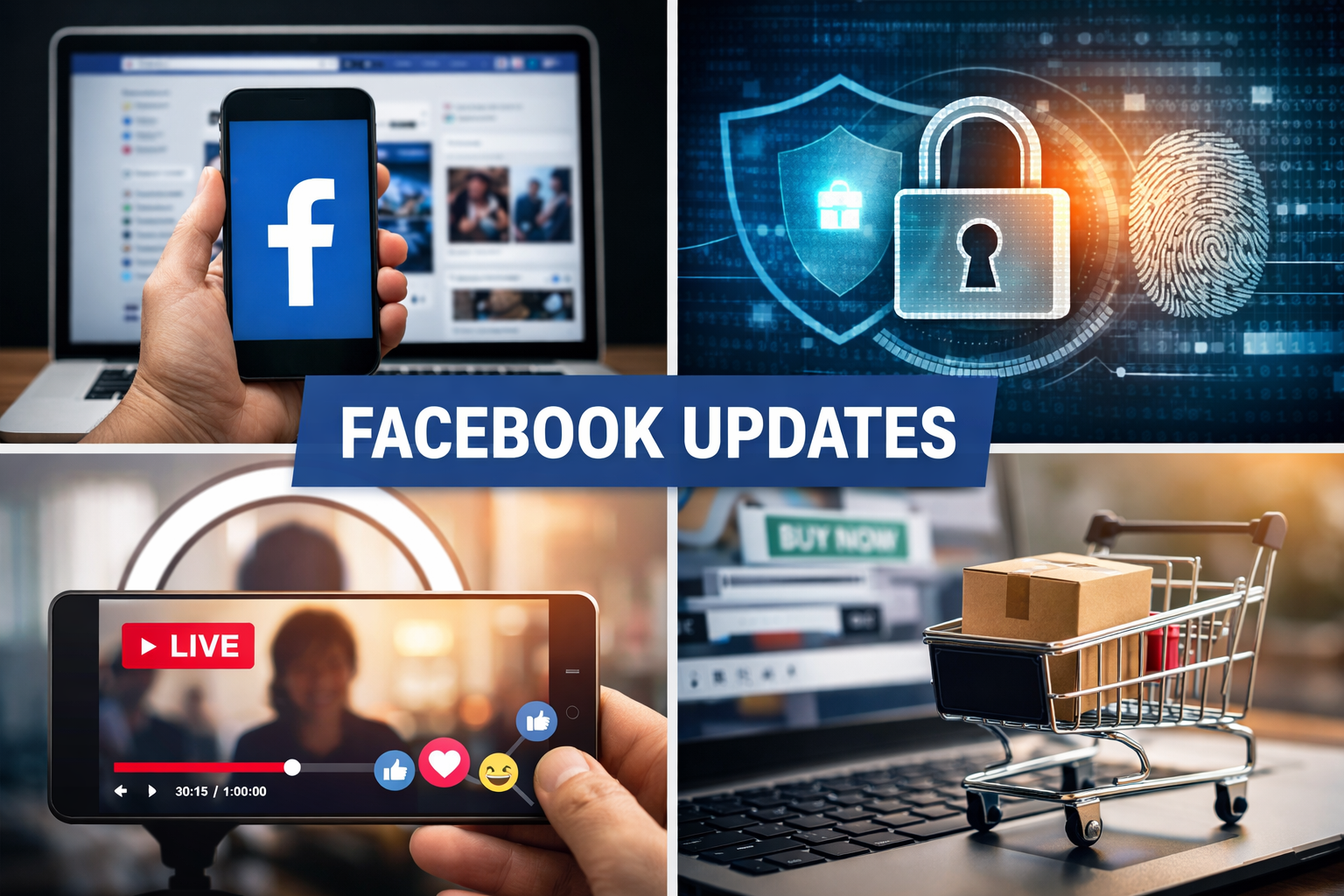
Facebook has evolved far beyond the social networking site it was when it launched in 2004. Over the years, the platform has introduced countless updates that affect everything from the user interface to privacy controls, algorithm changes, and business tools. For anyone who spends time on Facebook—whether personally or professionally—keeping up with these updates is essential. They often shape how content is shared, how users interact, and how businesses reach their audiences.
Understanding Facebook updates isn’t just about noticing new buttons or features. It’s about recognizing how these changes alter user behavior and influence engagement. Some updates are minor tweaks, while others signal broader shifts in the platform’s priorities, such as emphasizing video content or improving data transparency. Paying attention to these trends can give both users and marketers a practical edge.
How Facebook Updates Affect Users
Facebook updates often target the user experience. Some are visible, such as changes to the layout of the news feed or reactions on posts, while others operate behind the scenes, such as algorithm tweaks.
Interface and Usability Changes
One of the most noticeable types of updates is the redesign of Facebook’s interface. Over the past few years, the platform has simplified its layout, focusing on a cleaner design and easier navigation. For example, Facebook’s shift to the “New Facebook” layout emphasized a white, spacious design, a larger font, and a more prominent menu for groups and events. These changes may seem cosmetic, but they influence how users scroll, which posts they notice, and how long they stay engaged.
Even small updates, like repositioning the reactions bar or changing notification styles, affect daily interactions. Users may react differently to content simply because the platform’s layout draws attention to certain elements. Subtle shifts in design can also make older users feel less comfortable, while younger users often adapt quickly.
Privacy and Security Updates
Another area of frequent updates is privacy and security. Following controversies around data misuse, Facebook has gradually improved user controls. Updates now allow people to manage how their information is shared, review app permissions more easily, and even see why certain ads are being shown to them.
While these changes aim to build trust, they also require users to be proactive. Not everyone explores the updated privacy menus, which means many continue sharing more than they realize. For businesses, this affects targeting options for ads and insights into audience behavior.
How Updates Impact Businesses and Marketers
Facebook updates are especially important for businesses that rely on the platform for marketing. Each change to the news feed algorithm or ad platform can influence reach, engagement, and conversion rates.
Algorithm Changes and Content Visibility
Facebook’s algorithm determines which posts appear in a user’s feed, and it updates regularly. In recent years, the platform has prioritized “meaningful interactions,” favoring content that sparks conversation and engagement over passive views.
For businesses, this means posting content that encourages comments, shares, or reactions can improve visibility. Videos and live streams often perform better under the current algorithm, while links to external sites may get less organic reach. Marketers must adapt continuously, testing content types and posting schedules to align with these changes.
Advertising and Monetization Updates
Advertising on Facebook is another area deeply affected by updates. From audience targeting tools to ad formats, even small changes can alter campaign performance. For instance, Facebook has introduced more granular targeting options, automated ad delivery, and reporting dashboards to help businesses measure results more effectively. However, privacy-driven updates like Apple’s iOS tracking changes have reduced visibility into user behavior, requiring marketers to rethink how they measure success.
These updates are not just technical—they influence strategy. A campaign that performed well last year may need adjustments today, simply because Facebook now prioritizes different content types or limits certain targeting capabilities.
Trends Driving Facebook Updates
Over the last decade, several trends have guided Facebook’s updates:
- Video and Interactive Content: The platform increasingly favors video posts, live streams, and interactive content such as polls. This reflects broader consumer habits, with users spending more time watching videos than scrolling static posts.
- Privacy and Transparency: Updates around data protection, consent, and transparency aim to rebuild user trust and comply with global regulations. Users now expect clear explanations of how their data is used.
- Commerce and Social Shopping: Facebook has been investing in e-commerce tools, including Shops and Marketplace enhancements. This allows businesses to sell directly through the platform, integrating social media with online shopping.
- Community Focus: Updates frequently emphasize groups, events, and community engagement, suggesting that Facebook sees meaningful interaction as more valuable than sheer follower numbers.
Recognizing these trends can help both casual users and marketers anticipate changes and adapt without being caught off guard.
Practical Tips for Navigating Facebook Updates
Keeping up with updates can feel overwhelming, but there are practical strategies that make it manageable:
- Check Official Announcements: Facebook’s Newsroom and business blog regularly post details of upcoming changes.
- Observe Engagement Patterns: Monitor how content performs before and after updates to understand the impact.
- Update Privacy Settings Regularly: Revisit privacy controls to ensure your data is being shared intentionally.
- Experiment Strategically: For marketers, small experiments with content types and ad formats help identify what works under new rules.
- Engage With Communities: Participate in Facebook groups or forums where updates are discussed; real-world feedback often reveals subtleties official announcements don’t cover.
By integrating these habits, users and businesses can navigate updates without disruption.
FAQ: Understanding Facebook Updates
Q: How often does Facebook update its platform?
A: Updates happen frequently, from minor bug fixes and interface tweaks to major algorithm or feature changes. There’s no fixed schedule, so keeping an eye on announcements is useful.
Q: Will Facebook updates affect my news feed?
A: Yes. Many updates focus on the algorithm that determines what content appears in your feed, which can change the visibility of posts from friends, pages, or groups.
Q: How do privacy updates impact advertisers?
A: Privacy-focused updates can limit data access for targeting and measurement. Advertisers may need to adjust campaigns and rely more on first-party data or aggregated insights.
Q: Can I opt out of certain updates?
A: Generally, you can’t opt out of platform-wide updates, but you can control some features, notifications, and content visibility through your settings.
Q: Are Facebook updates always beneficial for users?
A: Not always. While many aim to improve experience or security, some updates may complicate navigation, reduce post visibility, or change how users interact with content. Personal experience varies.
Q: How do businesses track the impact of updates?
A: Analytics tools like Facebook Insights and Ads Manager help measure engagement, reach, and conversions, allowing businesses to identify shifts after updates and adapt strategies accordingly.
Facebook updates are not just technical adjustments—they are reflections of evolving user behavior, regulatory demands, and broader digital trends. Understanding their implications requires a combination of attention, experimentation, and practical reasoning. Users and businesses that stay aware and adapt thoughtfully will navigate the platform more effectively, whether the goal is personal engagement or professional growth.