Easy Strength Exercises for Athletes: Simple Work That Builds Real Performance
 MUBASHIR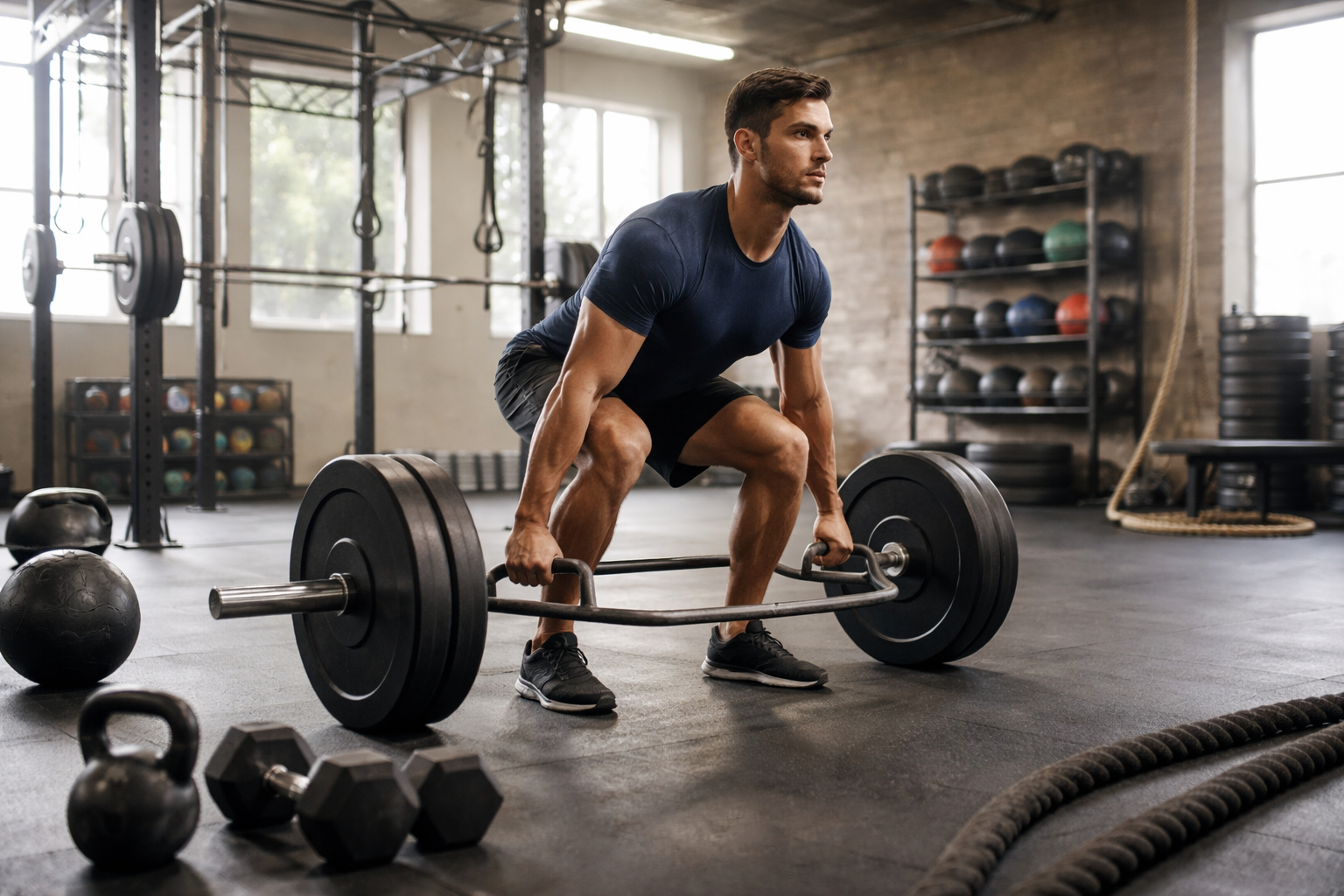
Athletes often assume progress comes from complex programs, advanced equipment, or punishing fatigue. Yet the foundation of long-term improvement usually rests on something far more practical: easy strength exercises for athletes performed consistently, with control and intent.
Simple movements done well tend to travel further into sport performance than flashy routines done poorly. They are easier to recover from, easier to repeat, and far easier to improve over months and years.
Strength that sticks is built on repeatable habits.
Why Simple Strength Work Often Beats Complicated Training
Watch experienced competitors train and a pattern appears. The best rarely look frantic. Their sessions are tidy, focused, and sustainable.
There’s a reason.
Sport already provides chaos — speed, reaction, contact, decision-making. The weight room doesn’t always need more of it. What athletes usually benefit from is reliable exposure to fundamental patterns: push, pull, hinge, squat, carry, brace.
When these improve steadily, everything else has something stronger to stand on.
Complicated systems can work, but they often hide poor execution. Simple training exposes it and gives you room to fix it.
What Makes a Strength Exercise “Easy”?
“Easy” doesn’t mean effortless.
It means the movement is:
- Technically manageable
- Recoverable within a day or two
- Repeatable several times per week
- Heavy enough to matter but not so hard it disrupts sport practice
If you leave the gym feeling better than when you entered, you’re probably close to the mark.
How Athletes Should Think About Load and Effort
A useful rule: finish most sets knowing you could have done two more good reps.
That small margin keeps technique sharp and nervous system fatigue in check. Over time, it allows far more total quality work than frequent all-out efforts.
The irony is that backing off slightly often moves progress forward faster.
Easy Strength Exercises for Athletes That Deliver Big Returns
These movements have shown their value across field sports, combat sports, court athletes, and general competitors. They are not trendy. They are dependable.
Squat Variations
Squatting builds legs, hips, and trunk coordination in one efficient package.
Goblet Squat
A dumbbell or kettlebell held at the chest encourages upright posture and teaches depth naturally. It’s self-correcting and friendly to developing athletes.
Front Squat
Great for those who need strength with posture. The load placement keeps the torso honest and limits excessive weight.
Trap Bar Squat
Sits somewhere between a hinge and squat, often comfortable for athletes managing back or hip stress.
Three to five crisp sets of three to five reps is usually plenty.
Hip Hinge Patterns
Power in sprinting, jumping, and change of direction often begins at the hips.
Romanian Deadlift
Teaches hamstrings to handle load while the spine stays stable. Tempo matters more than max weight.
Trap Bar Deadlift
Accessible, athletic, and easier to recover from than many straight-bar options.
Hip Thrust
Useful when athletes struggle to feel glute involvement elsewhere.
Hinges reward patience. Add load slowly and keep positions clean.
Upper Body Push
Pressing strength supports contact, posture, and arm action in running.
Push-Ups
Underrated and endlessly adjustable. Elevate the feet, slow the tempo, or add weight when basic reps become easy.
Dumbbell Bench Press
Allows natural shoulder movement and reduces strain compared with fixed bars.
Landmine Press
Excellent bridge between horizontal and vertical pressing, especially for overhead-sensitive athletes.
The goal isn’t chest exhaustion. It’s strong, repeatable reps.
Upper Body Pull
Many athletes are under-trained here. Pulling balances pressing and supports shoulder health.
Pull-Ups or Chin-Ups
Few exercises provide more return. Assistance bands are fine; quality reps matter.
Chest-Supported Row
Removes lower-back fatigue and lets athletes focus on scapular movement.
Single-Arm Dumbbell Row
Adds trunk stability and coordination.
If posture improves, performance often follows.
Loaded Carries
Carries teach the body to transmit force while moving — a skill every sport requires.
Farmer Carry
Heavy, simple, brutally effective. Grip, core, and gait all benefit.
Front Rack Carry
Challenges breathing and trunk control.
Suitcase Carry
Creates anti-lateral flexion strength that shows up in cutting and contact.
Short distances, repeated with focus, go a long way.
Core Stability (Without Endless Crunches)
Athletes usually need to resist motion better than create it.
Dead Bug
Builds coordination between limbs and trunk.
Pallof Press
Teaches bracing under rotational demand.
Plank Variations
Still useful when done with intention rather than duration contests.
Think stiffness where needed, freedom where required.
A Simple Weekly Structure That Works
Many athletes thrive on three to four short strength sessions per week.
A typical day might include:
- One squat or hinge
- One push
- One pull
- A carry or trunk drill
Forty focused minutes can be enough. Leave some energy for the sport itself.
Consistency beats occasional heroics.
Why Athletes Progress Faster With Submaximal Work
Heavy grinders feel productive, but they’re expensive. They demand longer recovery and often degrade technique.
Submaximal training lets athletes accumulate high-quality repetitions. More practice at doing things right usually leads to better long-term strength and fewer interruptions from soreness or irritation.
You can train again tomorrow. That matters.
When to Add Variety (and When Not To)
Variation is useful when progress stalls, motivation dips, or joints need relief.
But constant change prevents mastery.
If a lift is still improving and feels good, it rarely needs replacing. Milk it. Familiarity builds confidence, and confidence supports performance under pressure.
How Easy Strength Supports Speed and Power
Some worry that moderate lifting isn’t “intense” enough to transfer.
Yet strength is a base quality. Improve force production in clean patterns and speed training often rises with it.
Think of it as upgrading the engine rather than revving harder.
Mistakes Athletes Make With Strength Training
A few show up repeatedly.
Chasing soreness.
Adding weight before earning it.
Skipping warm-ups.
Treating every session like a test.
Progress usually comes from stacking solid, unspectacular days.
Recovery: The Quiet Multiplier
Simple programs shine because they leave room for sleep, nutrition, practice, and life stress.
If strength work constantly leaves you drained, it competes with your sport instead of supporting it.
The best plan is the one you can sustain through a long season.
A Sample Easy Strength Template
Here’s a straightforward example many athletes adapt well:
Day A
- Front squat – 3×5
- Pull-ups – 3×5
- Dumbbell bench – 3×5
- Farmer carry – 4 short walks
Day B
- Trap bar deadlift – 3×3
- Landmine press – 3×5
- Chest-supported row – 3×6
- Pallof press – 3×8 each side
Alternate across the week. Add small amounts of weight when reps feel sharp.
Nothing fancy, plenty effective.
How Long Before Results Show?
Beginners often notice improvements in a few weeks — better positions, smoother movement, confidence with load.
For experienced athletes, changes may be subtler but still meaningful: resilience, steadier performance, fewer aches.
Strength tends to compound quietly.
FAQ: Easy Strength Exercises for Athletes
Do easy strength programs make you weaker because you don’t train to failure?
Not typically. Staying shy of failure allows more total quality work across the week. Over months, that volume usually builds more usable strength.
How heavy should the weights feel?
Challenging but controlled. You should finish sets knowing another rep or two was possible without form breakdown.
Can beginners use the same exercises as advanced athletes?
Yes, though loads and complexity change. Fundamentals remain valuable at every level.
Will this type of training still build muscle?
For many athletes, yes. It may not match bodybuilding routines, but it supports size that contributes to performance.
What if I’m sore from practice or games?
Reduce load slightly and keep moving. Consistency at moderate intensity is often better than skipping sessions.
How do I know if it’s working?
Look for small strength increases, improved movement quality, and the ability to train again without excessive fatigue.
Reliable strength is rarely dramatic. It’s built through repeatable sessions, attention to detail, and patience. Athletes who embrace simple, manageable work often discover they improve more steadily — and stay healthier while doing it.