
 MUBASHIR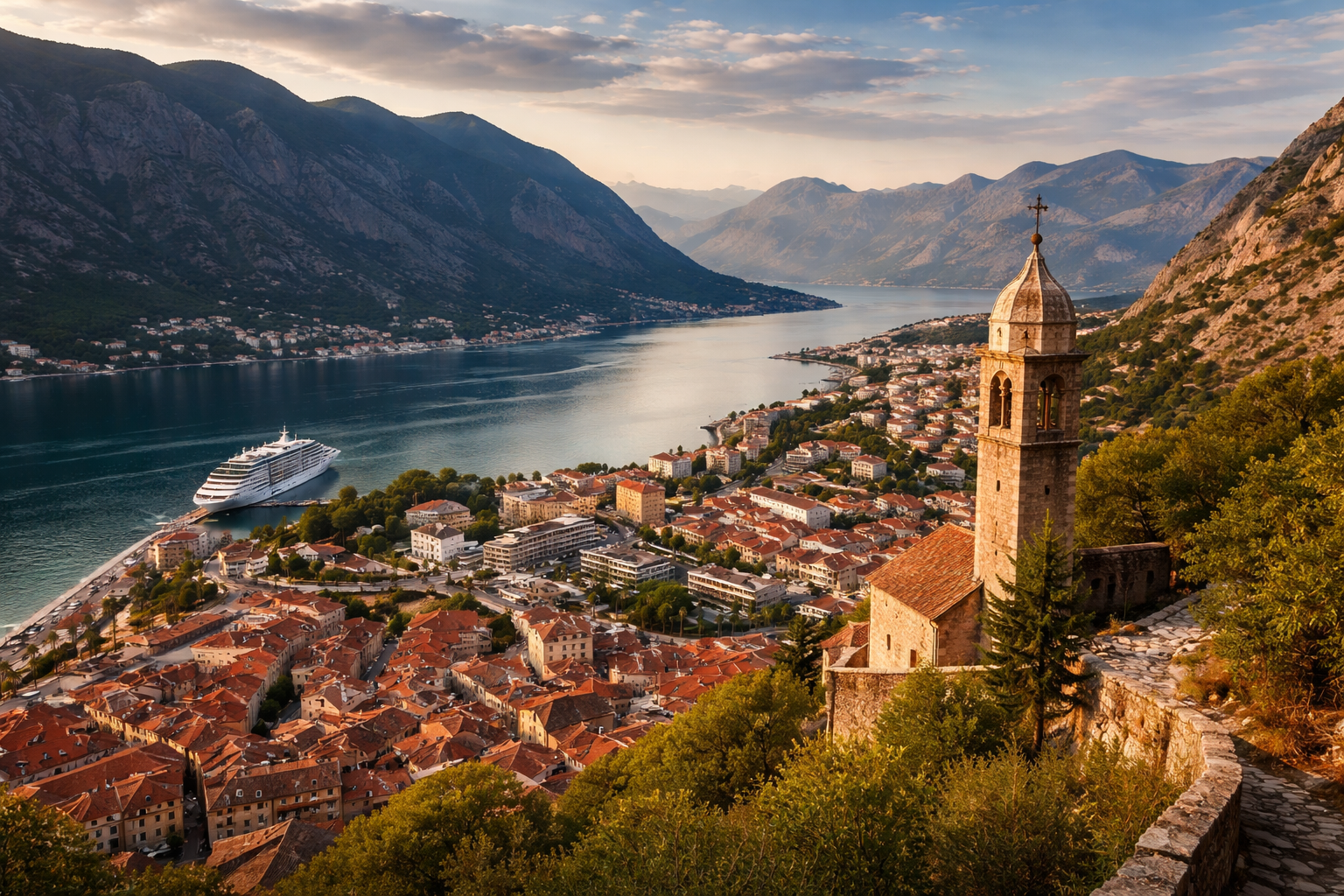
Kotora Melnkalne has a way of staying with you long after you leave. Tucked into the dramatic curve of the Adriatic coast, this small town blends stone, sea, and mountain in a way that feels almost theatrical, yet entirely real. Travelers arrive expecting pretty views; they leave talking about atmosphere, history, and a strange sense of calm that settles in without asking permission.
There are places that impress in photographs, and then there are places that make you slow your pace. Kotor belongs to the second category.
Where Mountains Meet the Bay
The first thing most visitors notice about Kotora Melnkalne is the geography. The Bay of Kotor looks like a fjord, though it’s technically a submerged river canyon. Steep limestone cliffs rise sharply behind the town, giving everything a sense of enclosure.
Morning light moves slowly here. It creeps down the mountainsides, touches the red roofs, and finally reaches the harbor. If you wake early enough, you can watch the transformation happen from gray to gold within minutes.
Because the terrain is so dramatic, distances that seem short on a map can feel longer on foot. Streets curve, steps climb, and views constantly distract you from wherever you thought you were going.
A Living Medieval Town
Walk through the gates and the centuries fold in around you. The old town isn’t a museum piece; it breathes, shops, cooks, and argues like any place where people actually live.
Narrow alleys branch from small squares, and those squares tend to hide churches, cafes, or both. Laundry sometimes hangs above carved doorways. Cats stretch in patches of sun, entirely unbothered by history.
Architecture That Tells Stories
Kotora Melnkalne has passed through many hands—Byzantine, Venetian, Austro-Hungarian. Instead of clashing, those layers create texture.
You’ll see Romanesque churches beside baroque palaces, heavy wooden shutters next to delicate balconies. The stone is worn smooth where thousands of palms have rested over generations.
St. Tryphon’s Cathedral often draws the most attention. Even if you’re not particularly interested in religious buildings, step inside. The quiet makes the outside world feel very far away.
Squares That Set the Rhythm
Every old town has a heart, but Kotor seems to have several. Arms Square greets newcomers with cafes and the old clock tower, while smaller courtyards offer intimacy and shade.
Sit long enough and you’ll notice patterns. Locals crossing with purpose. Visitors circling with maps. Waiters who know exactly when to appear and when to let you linger.
Time stretches differently in these spaces.
Climbing the Fortress: Worth the Effort
From almost anywhere in town, you can see the fortress walls zigzagging up the mountain. They look impressive from below. From above, they feel monumental.
The climb is not particularly technical, but it is demanding, especially in summer heat. Good shoes and water matter more than enthusiasm.
What You Gain at the Top
About halfway up, many people consider turning back. Then the view opens, and the argument ends.
Roofs cluster like terracotta tiles spilled toward the water. Cruise ships shrink to toys. The bay curves out toward the open Adriatic, framed by layers of mountain.
It’s the kind of panorama that reorganizes your sense of scale. You understand why settlements formed here, why walls were built, why people stayed.
Everyday Life Along the Water
Step outside the old walls and Kotora Melnkalne becomes more contemporary. Apartment buildings, bakeries, small markets. The romance softens into routine.
The promenade along the bay is where evenings unfold. Families walk slowly. Teenagers gather in small groups. Boats tap gently against their moorings.
You can buy an ice cream, sit on a low wall, and watch the light fade behind the peaks. No ticket required, no grand plan necessary.
Food That Reflects the Region
Montenegrin cuisine carries influences from the Mediterranean and the Balkans, and Kotor reflects that mix naturally.
Seafood is common—grilled fish, calamari, mussels—but you’ll also find hearty meat dishes, fresh bread, local cheeses, and olive oil that tastes like it came from someone’s backyard.
How to Choose a Place to Eat
Restaurants in the old town vary widely. Some cater heavily to day-trippers, while others feel more rooted in local life.
A simple approach works well: check how many residents are sitting down to eat. If you hear Montenegrin spoken at several tables, chances are good you’ll be happy with your meal.
Menus tend to be straightforward. Preparation, when done right, speaks for itself.
When to Visit for the Best Experience
Kotora Melnkalne changes character with the seasons. Summer brings energy, cruise ships, and crowded streets. It can feel festive, but also intense.
Spring and early autumn often strike a better balance. The weather remains pleasant, yet the town regains breathing room. You can walk without constantly negotiating space.
Winter is quieter still. Some businesses close, but what remains feels authentic and unfiltered.
Beyond the Town Walls
Kotor works beautifully as a base for exploring the surrounding bay.
Perast, with its elegant waterfront, sits a short drive away. Small boats shuttle visitors to island churches that appear to float when the water is calm.
Further out, hiking trails, swimming spots, and scenic roads reveal how varied this compact region can be.
You could spend days moving slowly from village to village, never traveling far, yet always seeing something new.
Practical Notes Travelers Appreciate Later
Cobblestones are charming but unforgiving. Comfortable footwear will save you from unnecessary regret.
Cash is still useful in smaller establishments, even though cards are widely accepted. ATMs are easy to find near the entrances to the old town.
If a cruise ship is in port, expect midday congestion. Early mornings and evenings become precious windows of relative quiet.
None of this diminishes the experience; it simply shapes it.
Why Kotora Melnkalne Leaves a Mark
Some destinations impress because they are grand. Others because they are intimate. Kotor manages to be both at once.
You can stand alone on a high wall with wind in your ears, then minutes later find yourself in a busy square listening to clinking glasses. The transition feels natural, almost effortless.
That balance is rare, and it tends to linger in memory.
FAQ About Kotora Melnkalne
Is Kotora Melnkalne expensive for visitors?
Prices vary depending on season and location. Restaurants inside the old town are usually higher than those a few minutes away. Traveling outside peak summer can make a noticeable difference.
How difficult is the fortress hike?
It’s steep but manageable for most people with decent mobility. Heat is the main challenge, so early starts and water are essential.
Can you explore the town in one day?
You can see the highlights in a day, especially the old town. Staying longer allows time for the bay, nearby villages, and a slower rhythm.
Are cruise ships a problem?
They bring crowds for several hours, mainly midday. Outside those windows, the town often feels far more relaxed.
Is Kotor suitable for families?
Yes. The pedestrian streets, waterfront walks, and short travel distances make logistics relatively simple, though strollers can struggle on steps.